
Trenchless sewer repair represents a significant advancement over traditional methods. This technique minimizes disruption to residential properties, preserving existing landscapes and infrastructure. By reducing excavation, it addresses common concerns related to noise and disturbance during repair processes. Additionally, it enhances the overall integrity of sewer systems, potentially lowering future maintenance costs. Understanding these benefits is vital for homeowners facing sewer issues, particularly when evaluating the most effective solutions available. What factors should guide this decision?
Key Takeaways
- Trenchless sewer repair minimizes excavation, preserving landscaping and reducing disruption to homeowners during the repair process.
- It enhances sewer system integrity, reducing future maintenance needs and associated costs.
- The method offers significant time savings, resulting in expedited repairs and shorter project timelines.
- Environmental benefits include reduced soil erosion and lower carbon footprint from fewer heavy machinery operations.
- Trenchless techniques are ideal for recurring issues or deteriorating lines, providing cost-effective and long-lasting solutions.
Common Problems With Traditional Sewer Repair Methods
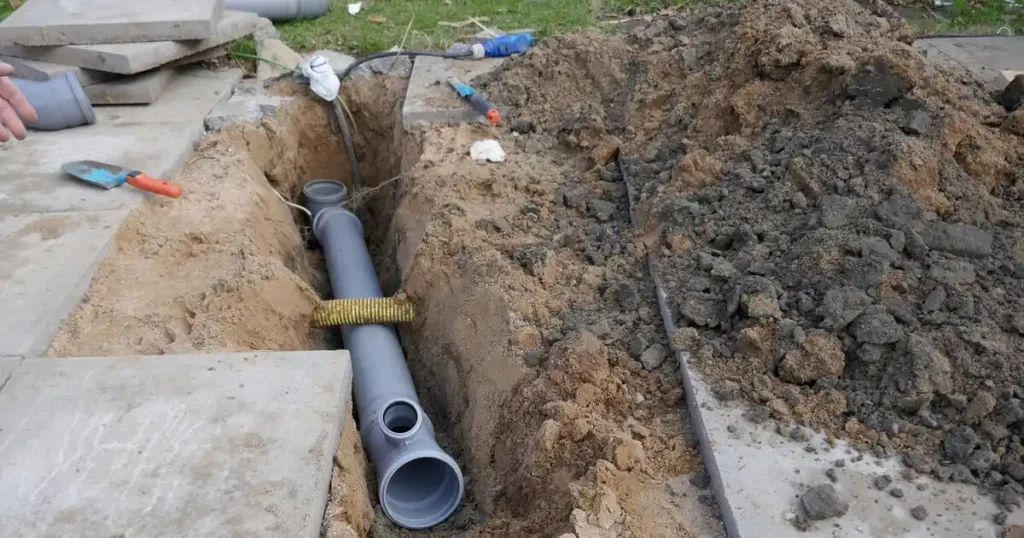
Traditional sewer repair methods often present numerous challenges that can complicate the repair process. These methods typically require extensive excavation, leading to significant disruption of landscapes, driveways, and existing infrastructure. The resulting damage can necessitate additional repairs, increasing overall costs and project duration. Furthermore, traditional techniques often expose the surrounding environment to potential hazards, such as sewage leaks and erosion. Time-consuming inspections and lengthy repairs can leave homeowners in distress, affecting their daily lives. In contrast, understanding trenchless sewer repair benefits highlights a more efficient approach, minimizing disruption and reducing repair times. This modern technique not only conserves existing landscapes but also lowers the risk of collateral damage, presenting a more sustainable solution for residential properties.
Key Benefits of Trenchless Sewer Repair for Homeowners
The advantages of trenchless sewer repair for homeowners are significant, particularly when compared to conventional methods that disrupt the property’s landscape and infrastructure. This innovative approach minimizes excavation, preserving existing gardens, driveways, and landscaping, which fosters a sense of continuity in the home environment. Additionally, trenchless techniques often result in less noise and disturbance, enhancing homeowner comfort during repairs. The technology employed not only improves the integrity of sewer systems but also reduces future maintenance needs, affording homeowners a reliable solution. Moreover, trenchless sewer repair benefits extend to environmental considerations, as reduced excavation limits soil erosion and mitigates the risk of damaging adjacent utilities. Overall, these benefits position trenchless sewer repair as an appealing option for homeowners.
Time and Cost Savings of Trenchless Techniques
Significant time and cost savings are among the most compelling trenchless sewer repair benefits. Traditional methods often require extensive excavation, leading to prolonged project timelines and increased labor costs. In contrast, trenchless techniques, such as pipe bursting or relining, typically involve minimal disruption to the surrounding landscape, allowing for expedited repairs. This efficiency translates into reduced labor hours and less equipment usage, further lowering expenses. Homeowners also benefit from less property damage, which can incur additional repair costs. The overall reduction in project duration means that residents experience less inconvenience, enhancing their quality of life. Consequently, the financial and temporal advantages of trenchless sewer repair techniques present a practical solution for residential properties seeking effective plumbing maintenance.
Why Trenchless Sewer Repair Is Better for the Environment
Minimizing environmental impact stands out among the trenchless sewer repair benefits. This method substantially reduces surface disruption, preserving existing landscapes and ecosystems. Unlike traditional excavation, trenchless techniques limit soil erosion and minimize the risk of waterway contamination. By utilizing advanced technologies, such as pipe bursting and relining, trenchless repairs decrease the need for extensive waste removal and landfill usage. Additionally, the reduced carbon footprint associated with fewer heavy machinery operations contributes to lower greenhouse gas emissions. These attributes not only enhance residential sustainability but also promote community well-being by maintaining a cleaner environment. Overall, trenchless sewer repair represents a forward-thinking approach, aligning with contemporary environmental values while effectively addressing infrastructural needs.
When to Opt for Trenchless Repair in Your Home
When should homeowners consider trenchless sewer repair? This method becomes a viable option when traditional excavation is impractical or disruptive, such as in densely populated urban areas. Homeowners facing recurring sewer line issues, such as frequent blockages or leaks, should evaluate trenchless solutions for their efficiency and durability. Additionally, if the existing sewer lines exhibit significant deterioration without complete replacement, trenchless techniques can extend their lifespan effectively. Cost considerations also play a role; trenchless sewer repair benefits often include reduced labor costs and minimal landscaping restoration. Ultimately, timely intervention using trenchless methods can prevent further damage, making it a practical choice for homeowners seeking long-term solutions to sewer line problems.
Frequently Asked Questions
How Long Does Trenchless Sewer Repair Typically Last?
Trenchless sewer repair typically lasts 50 years or more, depending on materials used and environmental conditions. This longevity provides homeowners with peace of mind, ensuring reliable drainage without the disruption of traditional methods.
Is Trenchless Sewer Repair Suitable for All Types of Pipes?
Trenchless sewer repair is not universally suitable for all pipe types. Factors such as pipe material, condition, and diameter markedly influence compatibility, necessitating thorough evaluation by professionals to determine the best approach for specific residential systems.
What Equipment Is Used in Trenchless Sewer Repair?
Trenchless sewer repair utilizes specialized equipment such as directional drills, hydraulic pipe bursting tools, and CCTV cameras. These tools enable efficient installation and repair without extensive excavation, minimizing disruption to residential landscapes and infrastructure.
Can Trenchless Methods Fix Collapsed Sewer Lines?
Trenchless methods can effectively address collapsed sewer lines by utilizing advanced techniques such as pipe bursting or relining, allowing for repairs without extensive excavation, thereby minimizing disruption and preserving surrounding landscapes while ensuring long-term functionality.
Do I Need to Prepare My Yard for Trenchless Repair?
Preparation of the yard for trenchless repair is minimal, as the process requires less excavation than traditional methods. However, clearing obstacles and ensuring accessibility can facilitate a smoother, more efficient repair experience.
Conclusion
To summarize, trenchless sewer repair presents a superior alternative to traditional methods for residential properties. By reducing landscape disruption, minimizing noise, and enhancing system integrity, it offers significant advantages to homeowners. Additionally, the environmental benefits, including reduced carbon footprint and soil erosion, further underscore its efficacy. As a result, when facing sewer issues, homeowners should consider trenchless techniques as a practical, cost-effective, and sustainable solution that addresses both immediate and long-term needs.
You May Also Like To Read: